About 37% of Dartmoor National Park is common land, known as the Dartmoor commons. This page explains more about the Dartmoor commons, and everyone’s rights and responsibilities to enjoy and protect these important areas of Dartmoor.
- Where and what are the Dartmoor commons?
- What are the Dartmoor commons like?
- Why are the Dartmoor commons important?
- Who owns the Dartmoor commons?
- Who has what rights on the Dartmoor commons?
- Why should I help protect the Dartmoor commons?
Where and what are the Dartmoor commons?
The Dartmoor commons are made up of open country on Dartmoor, which is privately owned but where different groups of people have common rights such as grazing and access.
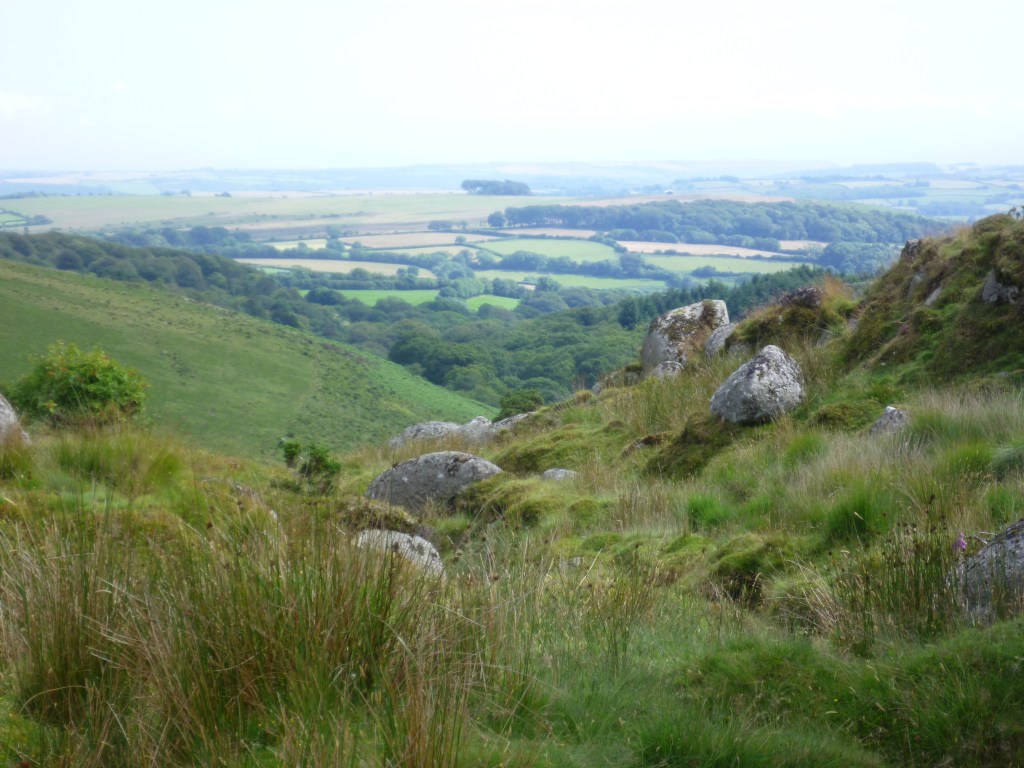
The Dartmoor commons consist of the Forest of Dartmoor, surrounded by the Commons of Devon and a few manorial commons, amounting in total to 35,882 hectares. This large open space was a significant factor when Dartmoor was considered a candidate for national park designation.
What are the Dartmoor commons like?
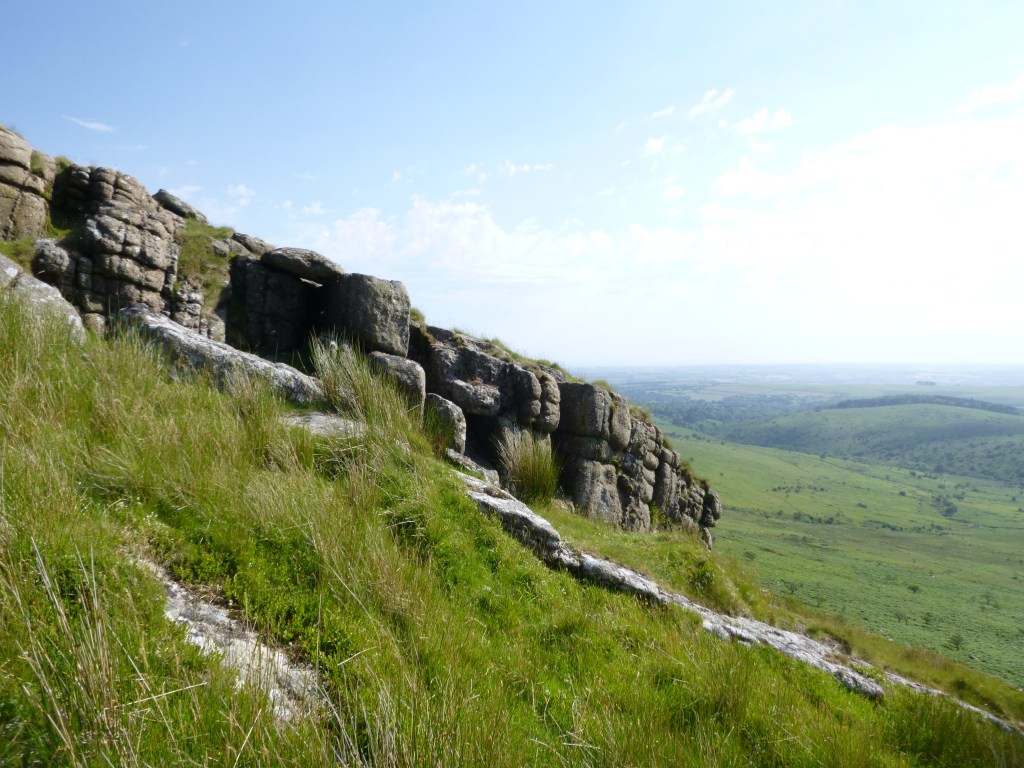
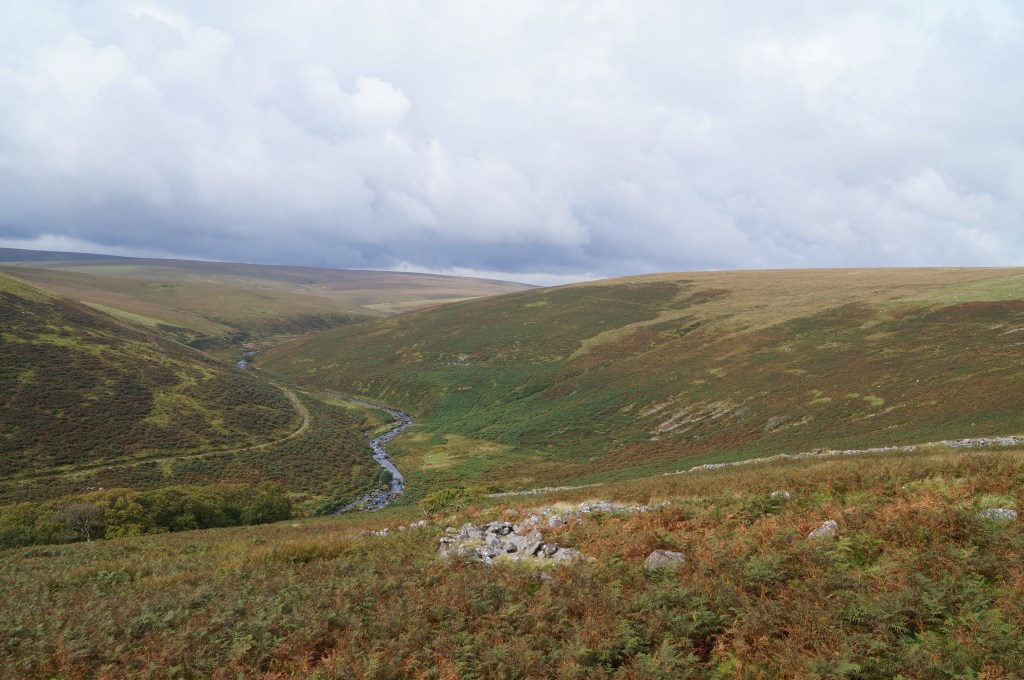
The height of the commons ranges from 152 m to 621 m (500 ft to 2,039 ft) above sea level. The vegetation of the common land is almost entirely rough grazing with a small area of woodland. Central areas of heather and grass moorland are surrounded by tracts of rough grassland, bracken, gorse and heathland.

Why are the Dartmoor commons important?
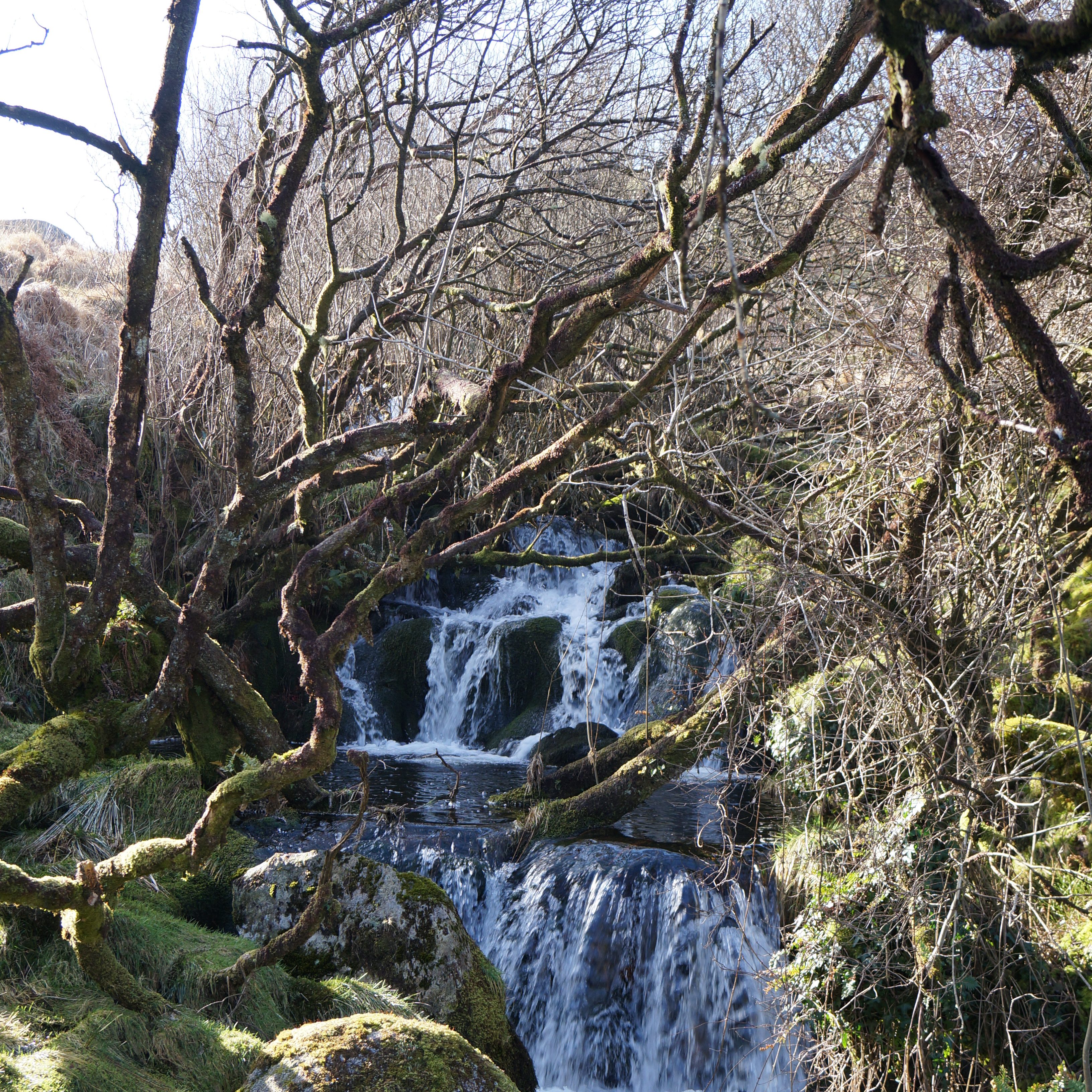
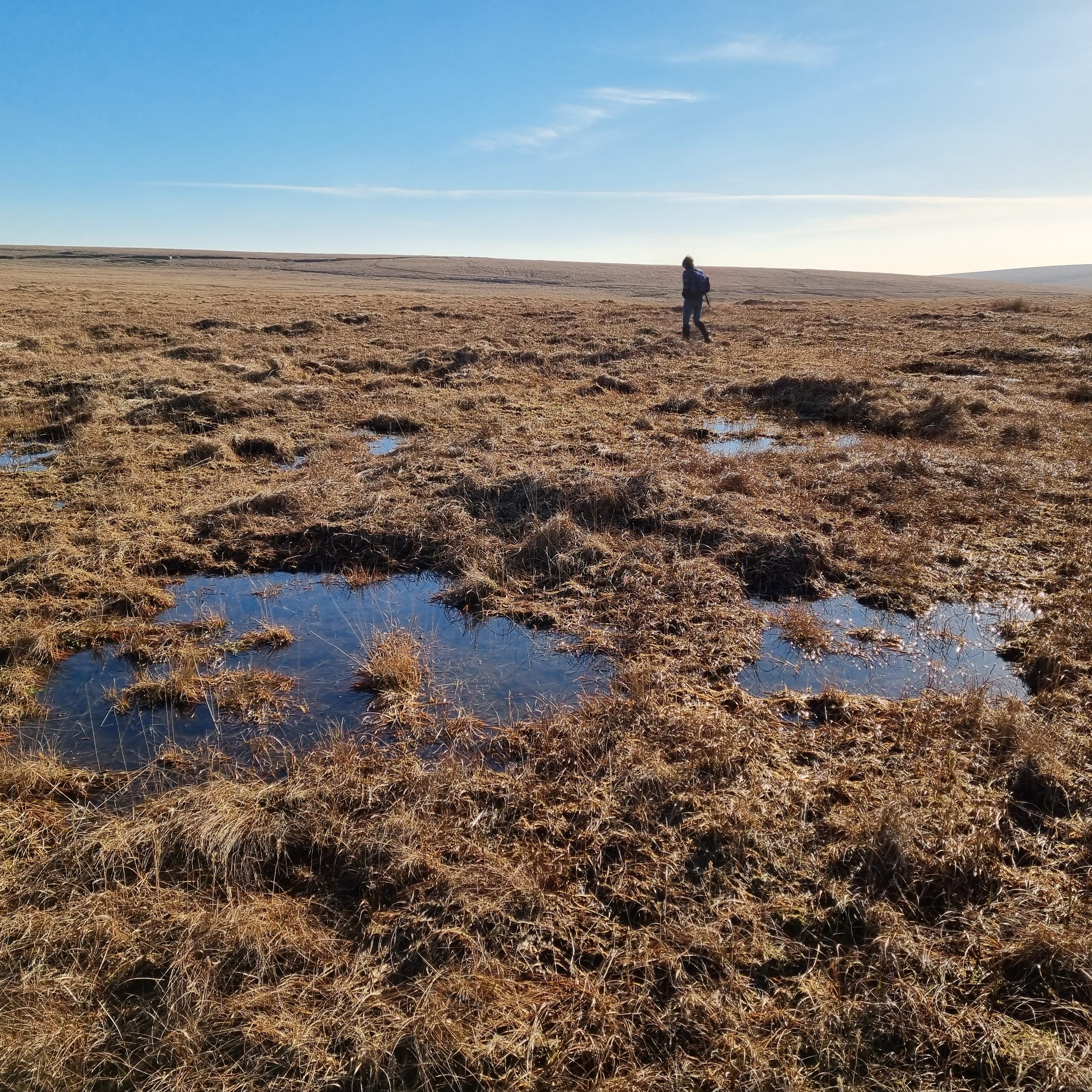
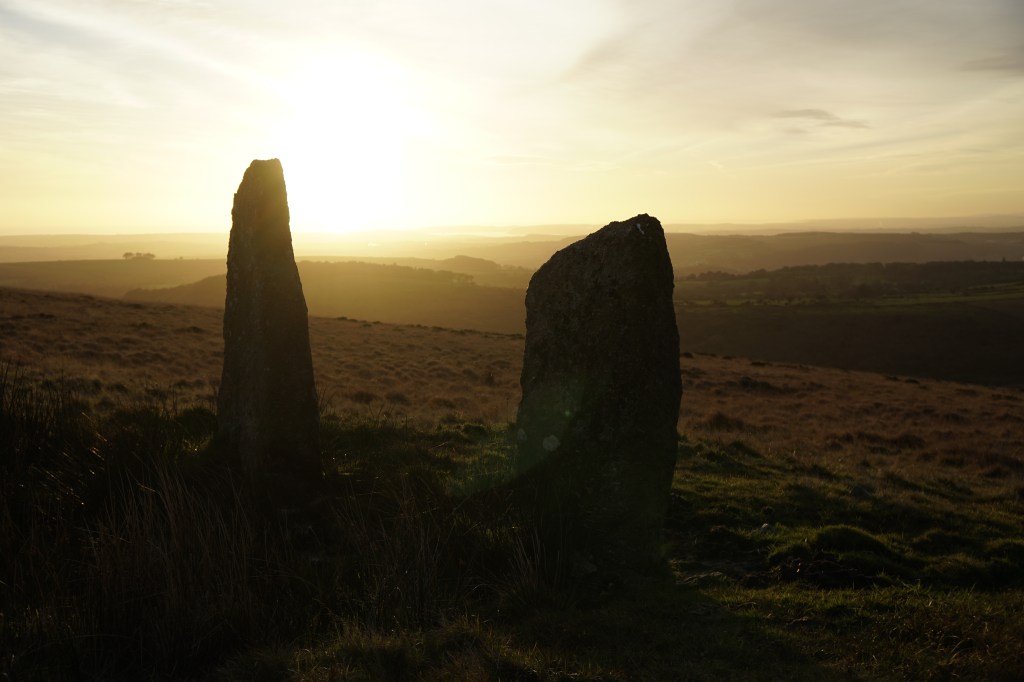
The Dartmoor commons are the wildest and most extensive area of upland in southern England. They contain large tracts of blanket peat bog, which holds water and stores huge amounts of carbon (see picture below). They provide the water supply for a million people and the source of pasture for thousands of farm animals. They house a wide diversity of plants and wildlife, some of them now rare away from the moor, and important fragments of temperate rainforest. They are a valuable military training area. The Dartmoor commons have a vast wealth of archaeology, from barrows and stone rows from the late Stone Age to twentieth century mines and defence installations. As well as all of these, they provide very significant value for recreation, helping to provide for the physical and mental wellbeing of society.
Who owns the Dartmoor commons?
The Dartmoor commons are all owned by someone but are subject to rights of commoners. The Commons Registration Act of 1965 required the registration of common land nationally, including its ownership, and the extent and nature of the rights held. Today, on Dartmoor, there are 92 separate common land units, owned by 54 different owners, and there are about 850 registered commoners. Only about 10% of these commoners currently exercise their grazing rights.
The biggest owner of land on Dartmoor is the Duchy of Cornwall, which was established in 1337 to provide an income to the heir to the throne.1
Many other commons are owned by families as part of estates situated around the periphery of Dartmoor, and are often linked to ancient manorial holdings and parish boundaries. These areas of land are often important parts of family-run businesses.
Other commons owners include the Dartmoor National Park Authority, the Ministry of Defence, Natural England, the National Trust, other non-governmental organisations, and water and mining companies.

Who has what rights on the Dartmoor commons?
There are three main types of rights on the Dartmoor commons: the owners’ rights, commoners’ grazing rights, and the public’s right of access.
The ownership of a common includes the rock, soil, peat and vegetation, and usually the mineral, shooting and riparian (fishing) rights. An owner may graze the common with their own livestock, although this is usually done alongside those of the commoners.
Grazing rights
Registered commoners (usually local farmers) have a right to bring certain numbers of livestock on to the moor to graze living vegetation by mouth. All cattle, sheep and ponies on the common are owned by someone.
The right of grazing is extremely important to the hill farms holding such rights. Rights are attached to specific properties for keeping certain numbers of sheep, cattle and ponies. These rights are registered and depend on the size of the farm. On Dartmoor, rights of grazing exist for some 145,000 sheep, 33,000 cattle, 5,450 ponies and 12,330 other potential grazing units. However, in practice the numbers actually grazed are much smaller.
Scottish Blackface and Welsh Grey sheep are the most usual breed of sheep, though Whiteface Dartmoors are still kept, particularly on the moorland borders. The main breed of cattle is Galloway, sometimes crossed with Hereford. These, and other hardy breeds, can out-winter on the moor and have virtually replaced the old South Devons which were only grazed on the moor during the summer.
Open Access
The public has legal open access to about 47,400 hectares of Dartmoor. Of this total, public access on foot (and horseback) to the Dartmoor commons, was secured under the Dartmoor Commons Act 1985. A further area of about 30,000 hectares is available for access by foot under the Countryside and Rights of Way Act 2000, and through permissive access agreements by landowners.
Open access is the “right to roam” – the right to go anywhere, not just on paths and bridleways. In fact, as there are very few paved paths on Dartmoor, it is best to avoid heavily used routes because the peaty soils erode easily.
Until the Dartmoor Commons Act 1985, public access to most commons was de facto, which meant that the public had no legal right to walk or ride on the commons. However, parts of some commons had been assigned as accessible under Law of Property Act 1925 before the Dartmoor National Park was created in 1951.
The law: Provisions of the Dartmoor Commons Act 1985
The Dartmoor Commons Act of 1985 contains two main parts dealing with the regulation of grazing rights and the control of public access. The legislative framework maintains the values of both, and it is intended to conserve the landscape of the National Park for the future. It is essentially a large scale management and access agreement between the owners, commoners and the Dartmoor National Park Authority.
The Dartmoor Commoners’ Council was set up to maintain and promote good standards of livestock management on the commons in and around Dartmoor National Park. The Council is made up of 26 to 28 members, including: 20 members elected by the commoners and representing both large and small graziers from each quarter of Dartmoor, two appointed members from the Dartmoor National Park Authority, one representative of the Duchy of Cornwall, two members representing other landowners, and one independent veterinary surgeon.
Under the terms of the Act, the Council has to draw up regulations to ensure the good husbandry and maintenance of health of all animals kept on the commons.2 The Council is funded by fees levied on everyone with common grazing rights (both active graziers and non-active right holders).
The second part of the Act established a legal right of access on foot and on horseback to the commons “for the purpose of open air recreation”. The National Park Authority may prohibit or regulate access to protect ancient monuments or areas of scientific interest as well as for restoration and for the protection of trees. It can make byelaws and appoint wardens for the control of this access. Control is also given over commercial activities, such as riding stables, where this is necessary to prevent damage to the commons.


Why should I help protect the Dartmoor commons?
Whatever your interest in the Dartmoor commons, please remember that you have inherited the landscape from those who were here before, you are sharing it with many others and you are borrowing it from future generations. The owners of the commons endeavour to keep them in good condition, but this can only be done with the support and respect for our environment of all users of the landscape.
This webpage includes text edited from the Dartmoor National Park Authority’s Commons Factsheet dated June 2006.
- The ancient area of the Forest of Dartmoor was not originally common land in the strict sense, but was aligned to be managed in the same way as the traditional commons after the Dartmoor Commons Act 1985. ↩︎
- The first Council was elected in 1986 following the preparation of a voting register of all commoners using the commons. ↩︎
 Dartmoor Commons Owners Association